

Academic track winner
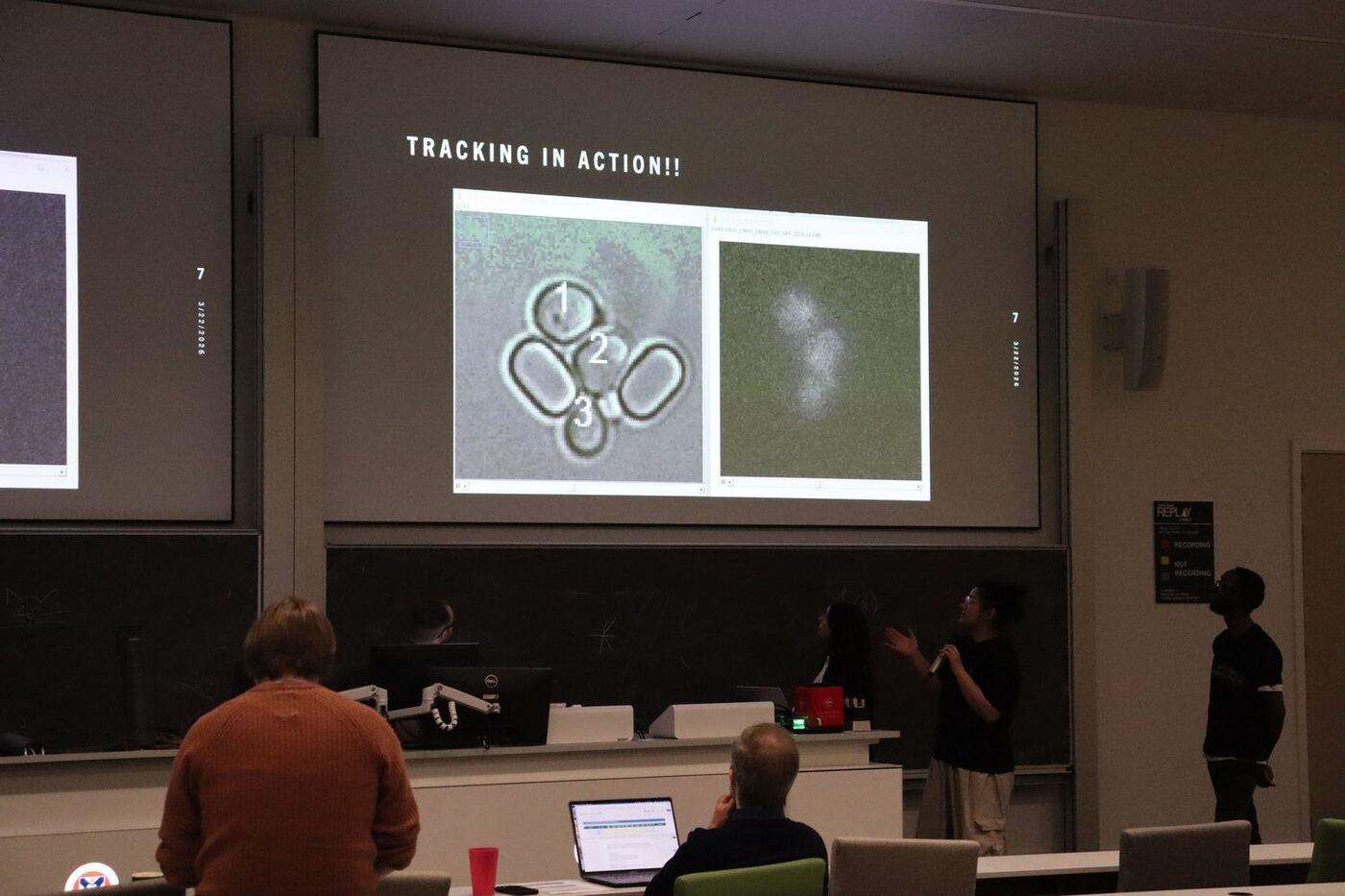
Filament Fillies
A web tool that segments, classifies and visualises protein filaments in time-lapse yeast microscopy. Built and deployed within the 48 hours.


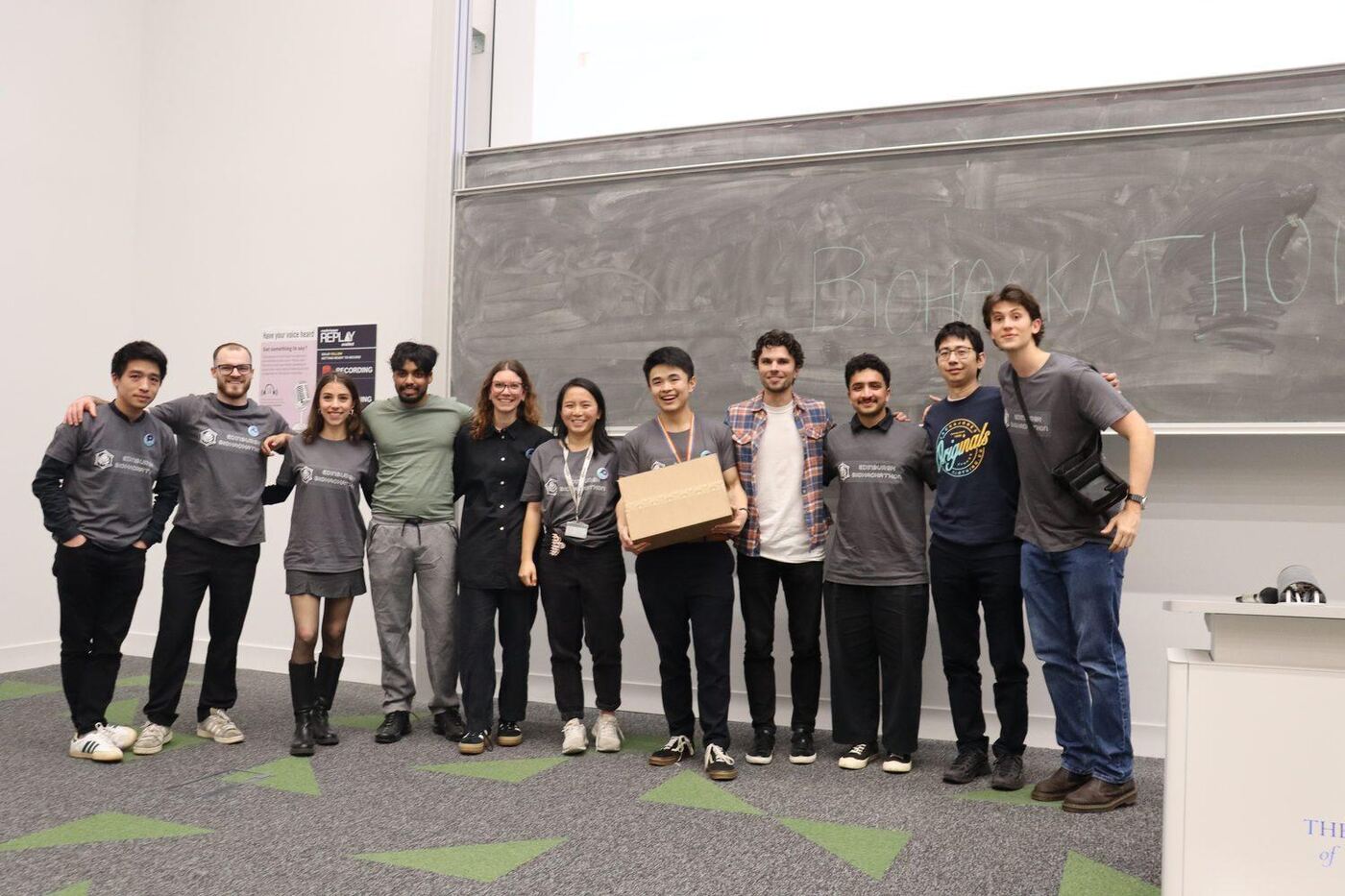
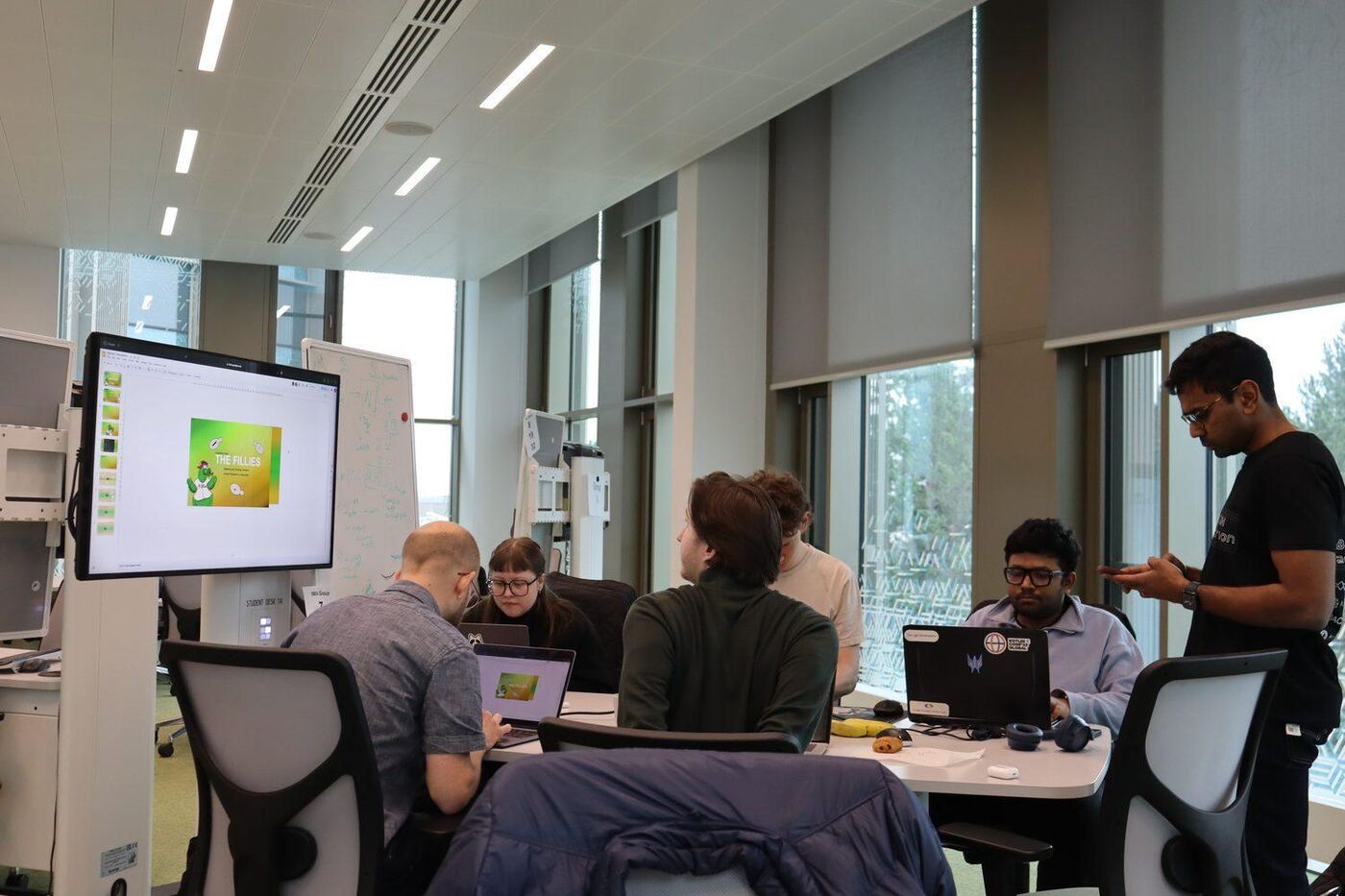
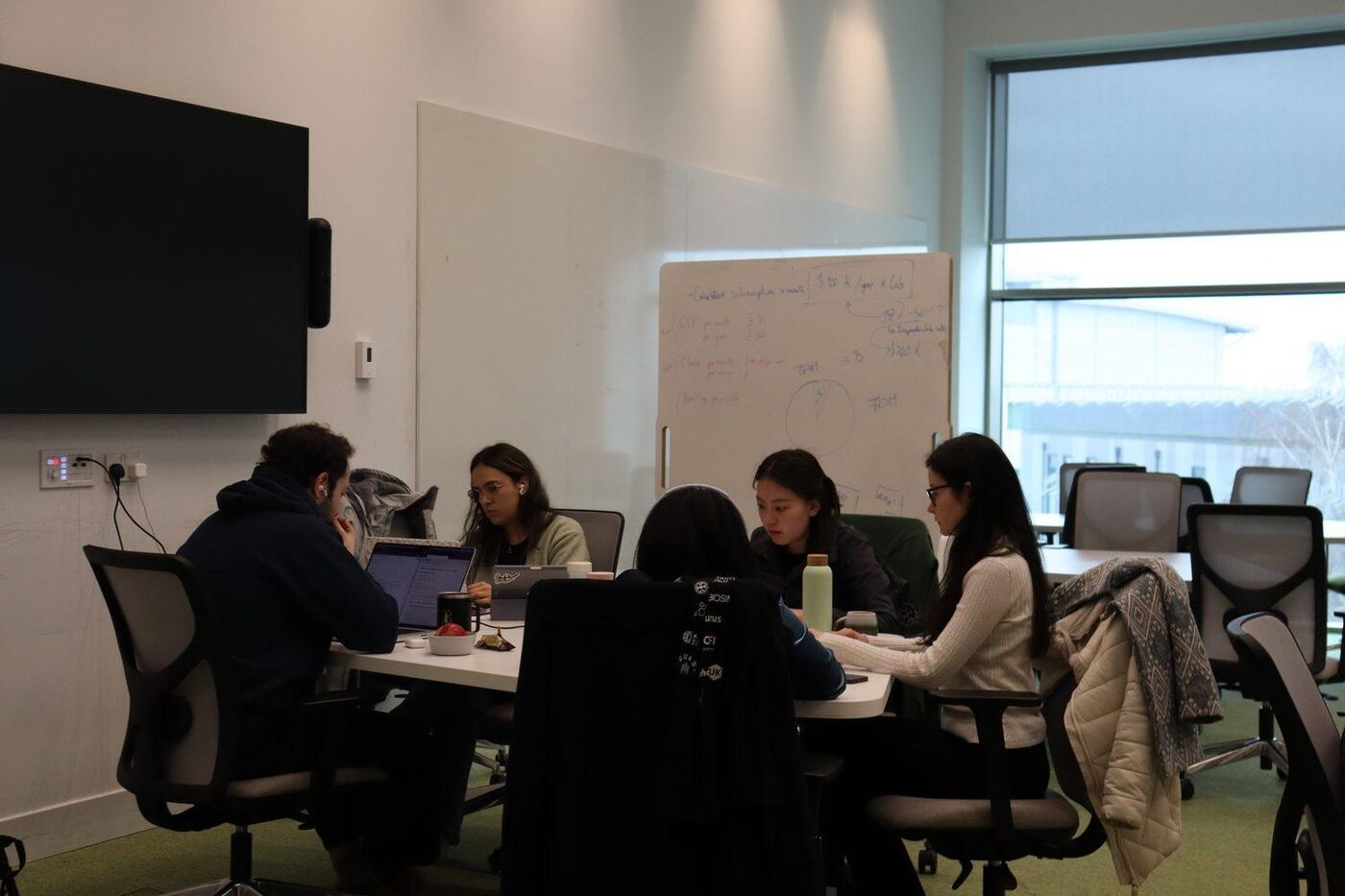
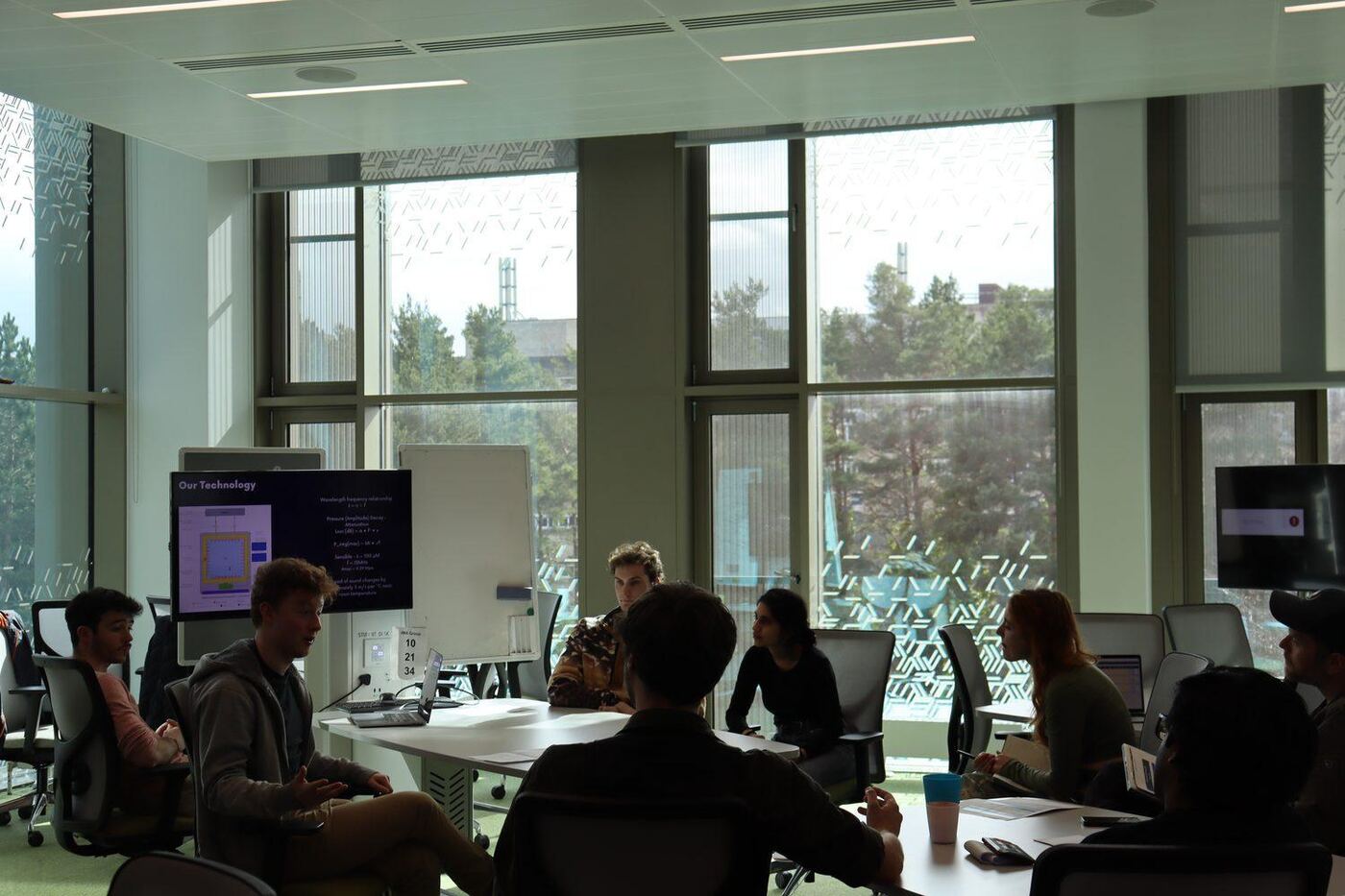
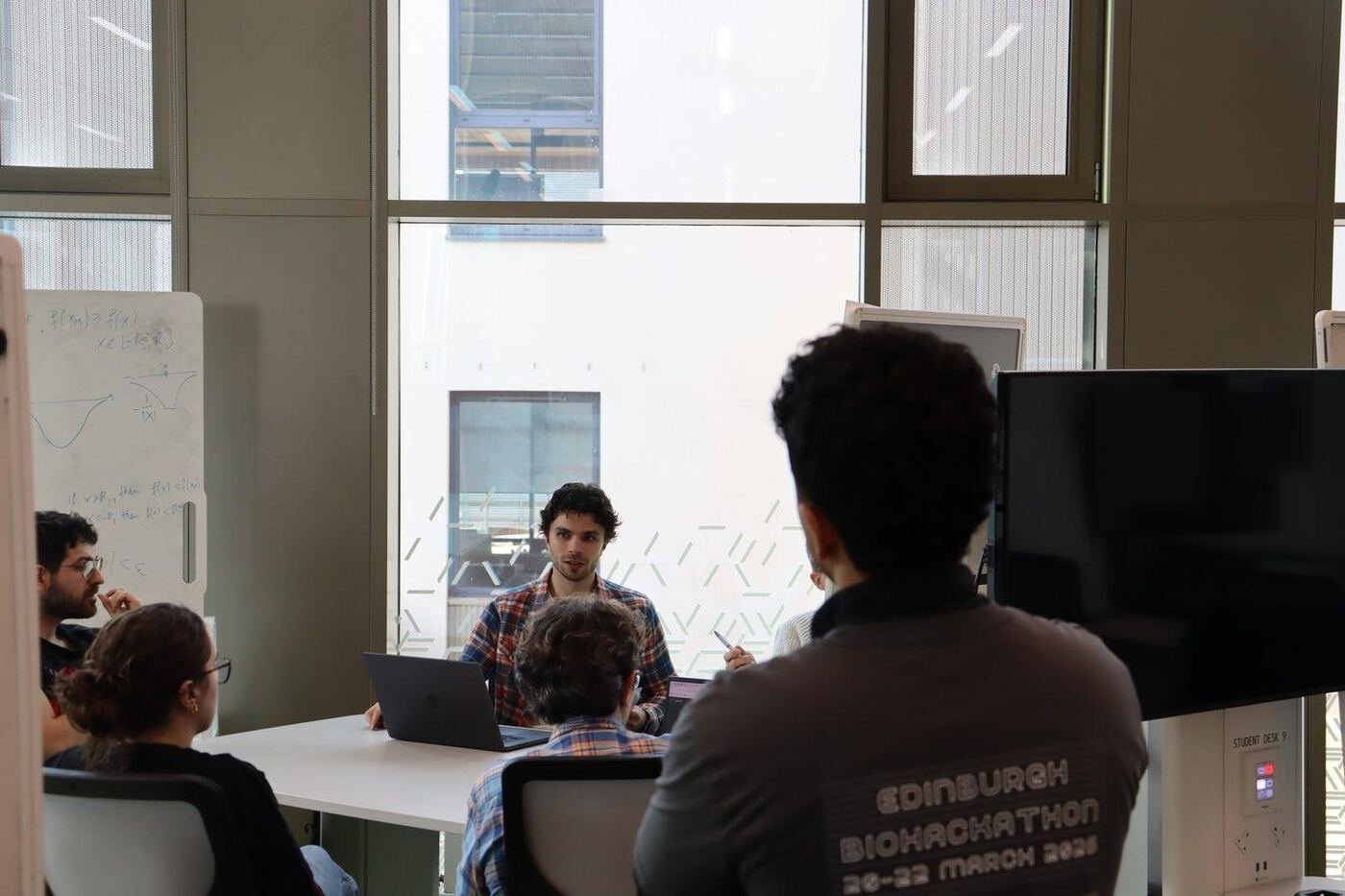
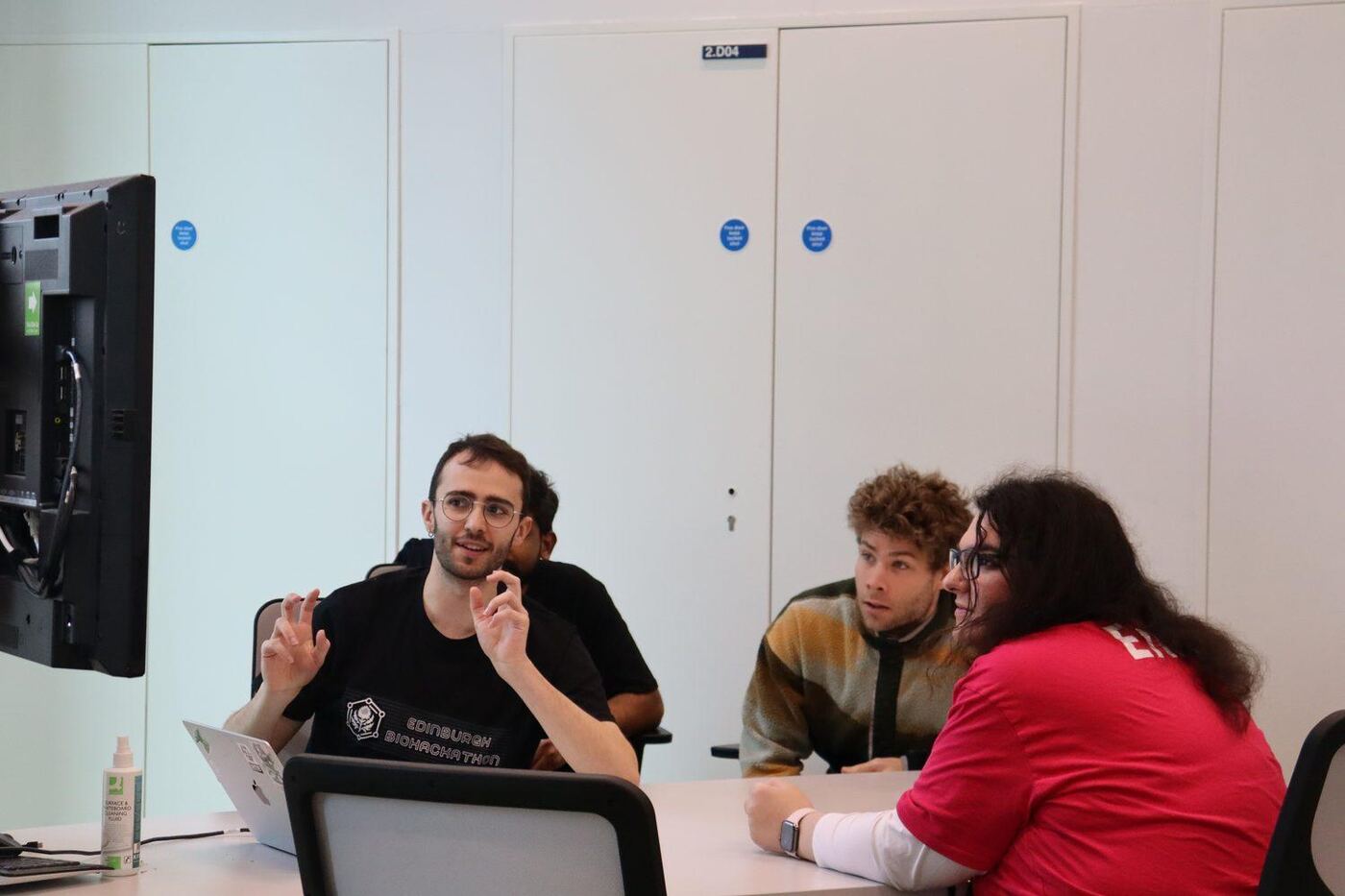
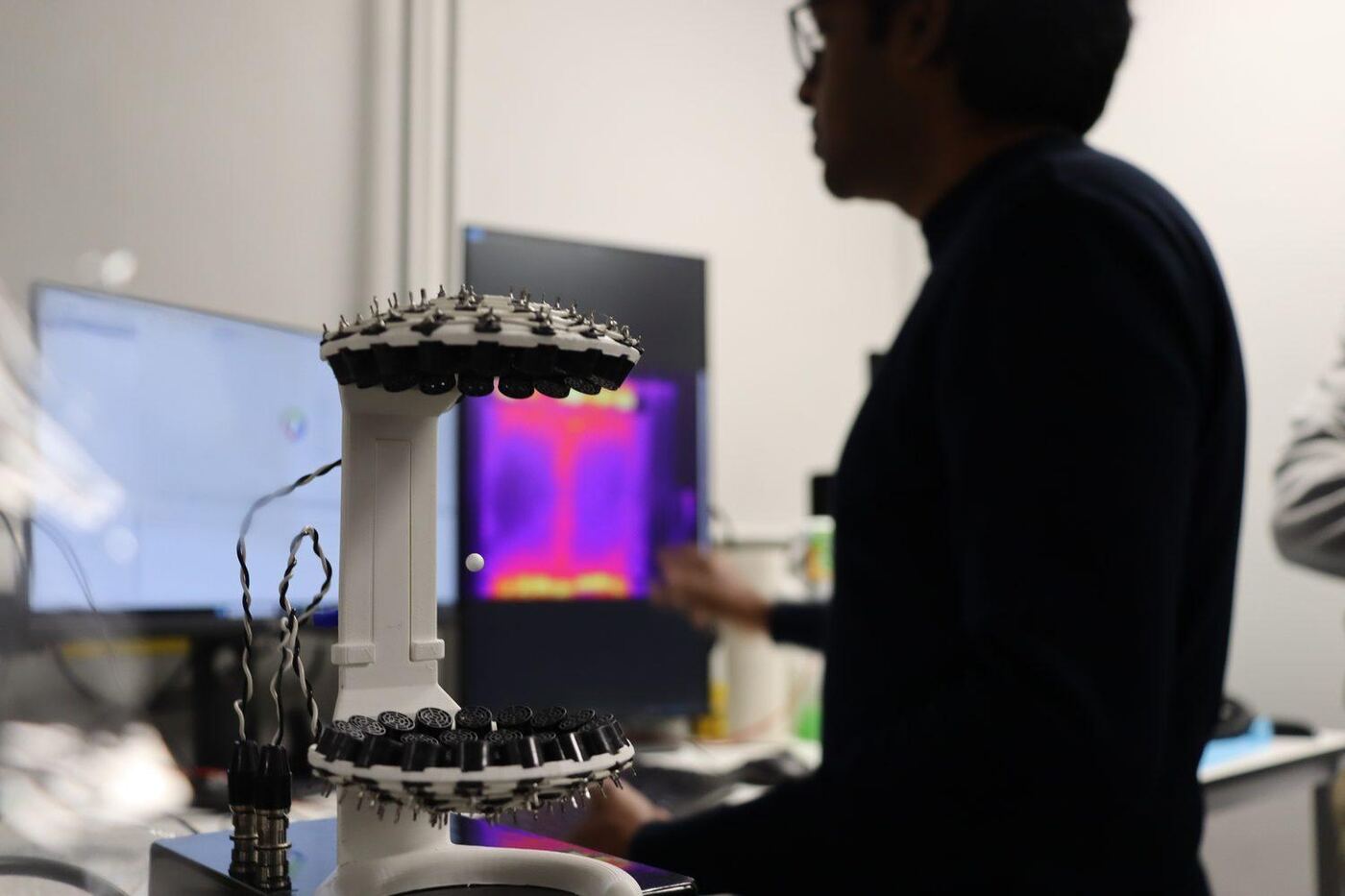
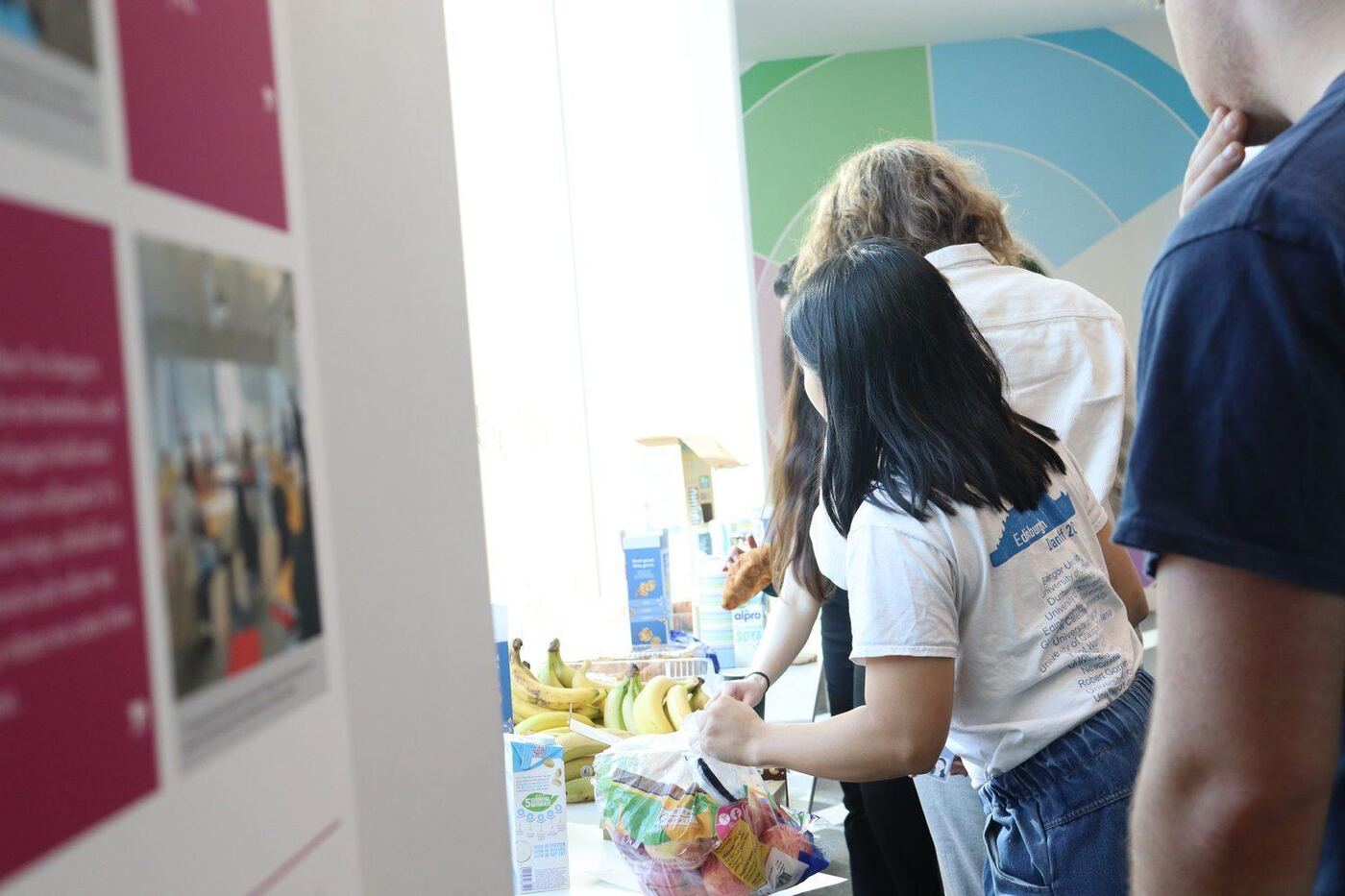
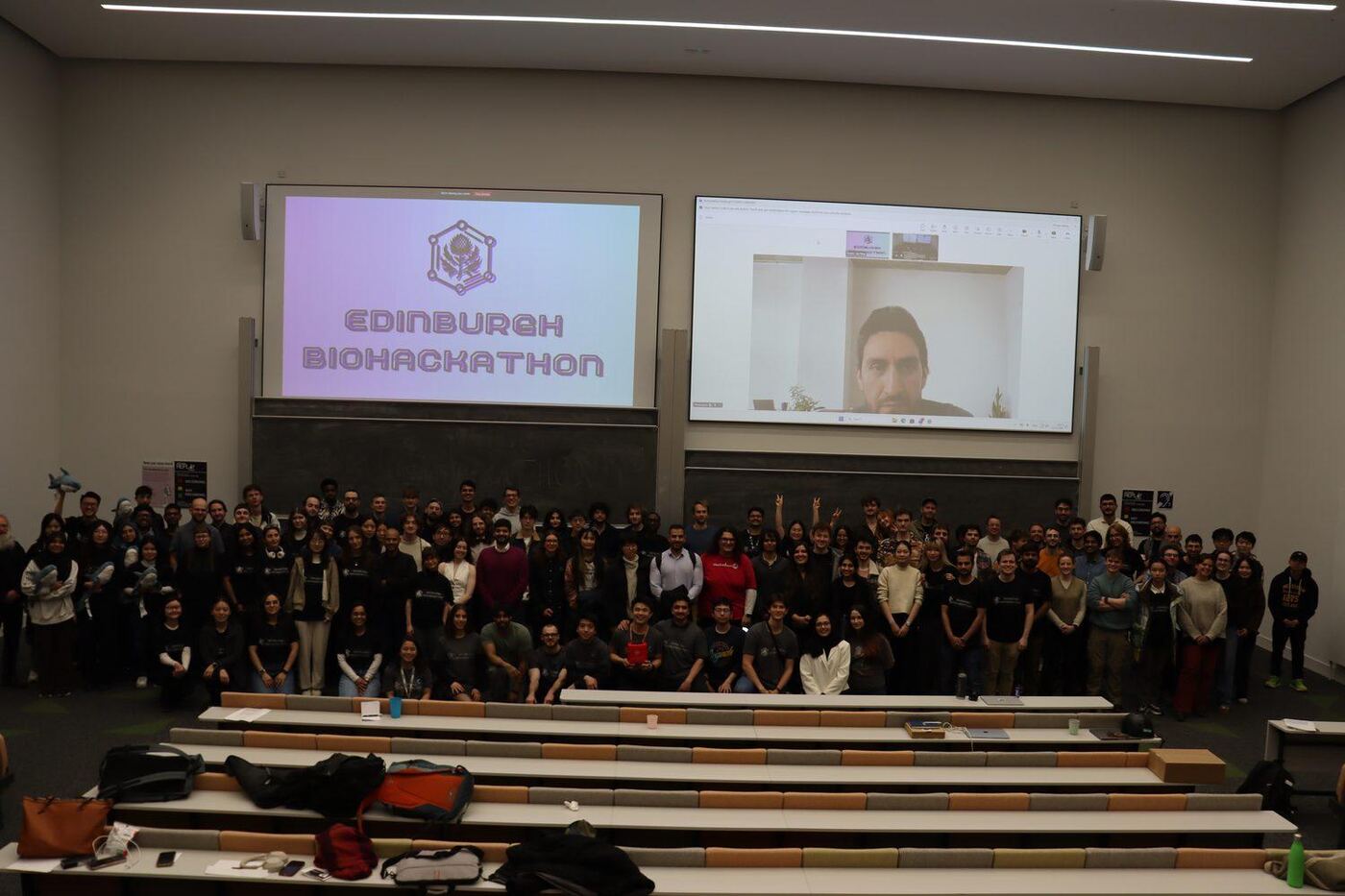
See what 48 hours of hacking, mentoring and pitching looked like at Scotland's first student-led biohackathon.
▶ Play the film Open on YouTube ↗Film by Javier Mazo
The first edition drew applications from across the UK, and almost everyone selected stayed for the full weekend.
Our 2026 organising committee received the PGR Impact Award from the School of Biological Sciences, University of Edinburgh, at the Postgraduate Research Student Symposium.
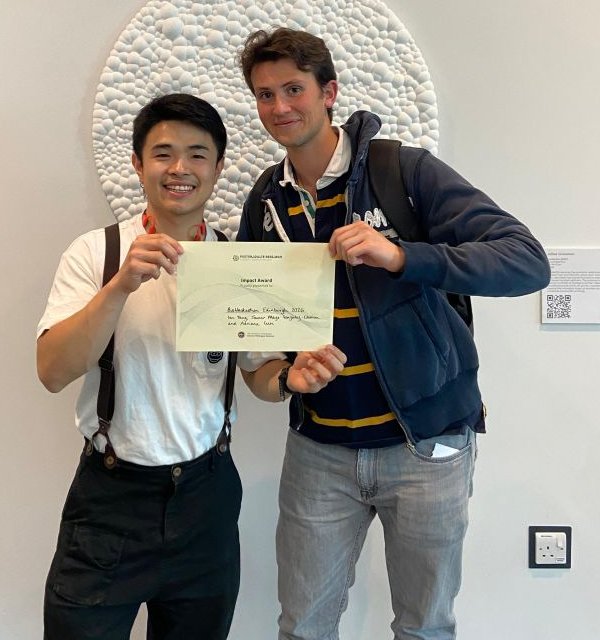
See who took part, the eight winning projects, photos and what people said.
See our full impact →The weekend sits inside a longer programme. Participants train before it and keep building after it, with biologists, programmers and industry partners working side by side throughout.
2026: three workshops with Edinburgh Innovations, CIIE and Digital Research Services
2026: 100+ participants, 7 challenge tracks, 15 judges & mentors
2026: ran from the closing ceremony to late April
Unite life scientists and programmers through collaborative problem-solving on real biological and computational challenges.
Co-design challenges with academic and industrial partners, exposing students to authentic problem-based learning and professional mentoring.
Post-event mentoring and support for project continuation, growing into a recurring Bio-Innovation Series.
A careers fair and a 48-hour assessment centre in one. See how people think, collaborate and build under pressure. Challenge providers get prototype solutions to real problems, and sponsors can have teams build on their APIs, software or compute for real developer feedback.
Sponsors can set a challenge in any of the three tracks.
Open research problems from academic labs, with real datasets and academic mentors.
Practical challenges from biotech, health and data companies, built into working prototypes.
Experimental design, strategy and storytelling, for participants without a coding background.
Teams in each track compete in a final presentation and pitch session, with winners selected by a judging panel.
Balanced teams of 4–6 across wet-lab, dry-lab, computational and non-coding disciplines, from 14 universities including UCL, Cambridge, Imperial, Glasgow, St Andrews and Dundee.
Setting a challenge never needs live clinical, patient or confidential data. Typical sources:
Participants keep ownership of their code; challenge providers get non-exclusive access to all prototype repositories, documentation and methods.
| Gold£3,000 | Silver£1,500 | Bronze£500 | Challenge ProviderFree · prizes only | |
|---|---|---|---|---|
| Opt-in CVs and email contacts for all 100+ participants | ✓ | |||
| Workshop or technical session (up to 1 hour) | ✓ | ✓ | ||
| Exhibition space all weekend | ✓ | ✓ | ✓ | |
| Talk at opening or closing ceremony (up to 15 min) | ✓ | ✓ | ✓ | ✓ |
| Send your own judging panel | ✓ | ✓ | ✓ | ✓ |
| Prominent logo on website, T-shirts, banners, slides and social | ✓ | ✓ | ✓ | ✓ |
| Thanks at ceremonies and a featured social post | ✓ | ✓ | ✓ | ✓ |
| Access to all submissions and prototypes from your track | ✓ | ✓ | ✓ | ✓ |
| Opening (Fri) and closing (Sun) ceremonies | ✓ | ✓ | ✓ | ✓ |
Any sponsor can set a challenge, or sponsor without one; tell us your preference. In-kind support (catering, compute credits, software licences, merchandise) is also welcome.
Two-year partners get 10% off year two and are credited as Anchor Partners in all event materials.
Propose a real, non-confidential biological, computational or data problem (workflows, datasets, pipelines, conceptual challenges). Teams prototype solutions, analyses or tools over the weekend. See the sponsorship tiers for details.
Define the problem statement, context and success criteria. Production-ready software is not expected. You can support teams by:
No continuous engineering support or debugging of team environments is expected. The organisers run best-effort pre-event sanity checks.
The University of Edinburgh provides access to the Eddie HPC cluster (including GPUs), onboarding on compute resources, and OpenAI API access for LLM-enabled challenges.
Yes, e.g. Snakemake. Either in the pre-hackathon workshop series or on Day 1, alongside academic-led sessions such as Git and Python.
Challenge partners are asked to contribute prizes for their track's winning team (typically 4–6 people): merchandise or digital products, internships, shadowing, fast-track interviews, or other relevant incentives.
Challenge Providers contribute prizes only; Bronze, Silver and Gold are paid tiers (see above). Covering your own staff's travel is expected.
Yes. The event showcases technical ability, problem-solving, teamwork and communication. Bring both technical staff and talent representatives.
Spring / early summer 2027 at the University of Edinburgh. Exact dates are to be confirmed; sponsors are confirmed in early 2027.
We had 100+ participants in 2026. For 2027 we are aiming for 200–300.
Yes. Any tier can set a challenge or opt out; just tell us your preference.
Participants keep ownership of the code they write. Challenge providers get non-exclusive access to all prototype repositories, documentation and methods from their track.
No. All challenges are non-confidential. Public, synthetic or anonymised data works, or no data at all.
Yes: catering, compute credits, software licences or merchandise.
Yes. Commit to two years for 10% off year two and credit as an Anchor Partner.
Gold sponsors receive opt-in CVs and email contacts for all participants.
Sponsorship, challenges, mentoring or volunteering. The 2027 event runs in spring / early summer at the University of Edinburgh, with sponsors confirmed in early 2027.
Ian Yang & Apple Chew · Directors
The full picture of Scotland's first student-led biohackathon: who took part, what they built, and what people said about it.
For many, it was their first hackathon.
A web tool that segments, classifies and visualises protein filaments in time-lapse yeast microscopy. Built and deployed within the 48 hours.
Decision support for biomedical funding committees. Keeps sourced facts, assumptions and model outputs separate, runs budget scenarios and writes committee-ready briefs.
Growing rare-earth-free magnets from common iron using DNA and proteins in microgravity, with sound to control the timing of growth.
An interactive app that turns a protein FASTA file into a genome-scale metabolic model, visualises the network and optimises biomass production.
A hybrid of reaction kinetics and agent-based simulation that predicts how levan polymers grow, as a step towards controlling their production.
A drug-screening service that grows tumour cells into 3D spheroids in microgravity, giving a truer picture of drug response than flat 2D cultures.
Upload a fungal proteome and get predicted growth, titre and yield in the browser, via flux balance analysis built for non-specialists.
A Python tool that tunes growth-media composition with genome-scale metabolic models, cutting the cost and time of media optimisation.
The recap post drew 115+ LinkedIn reactions, 14 comments and 26 reposts within a day of the closing ceremony.
Returning sponsors, challenge providers and participants have already expressed interest in 2027.
Several 2026 participants have asked to volunteer and help run future editions.
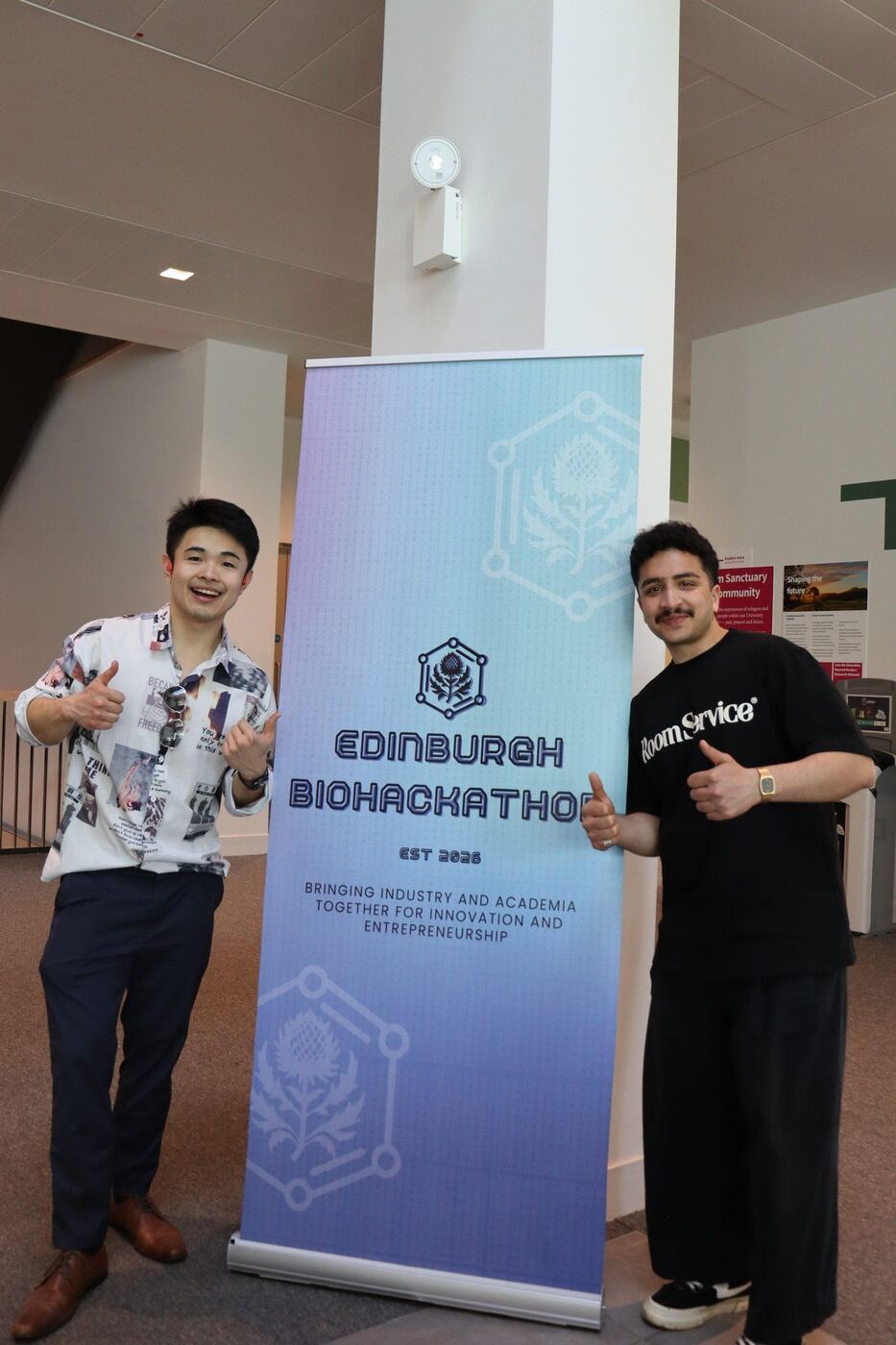
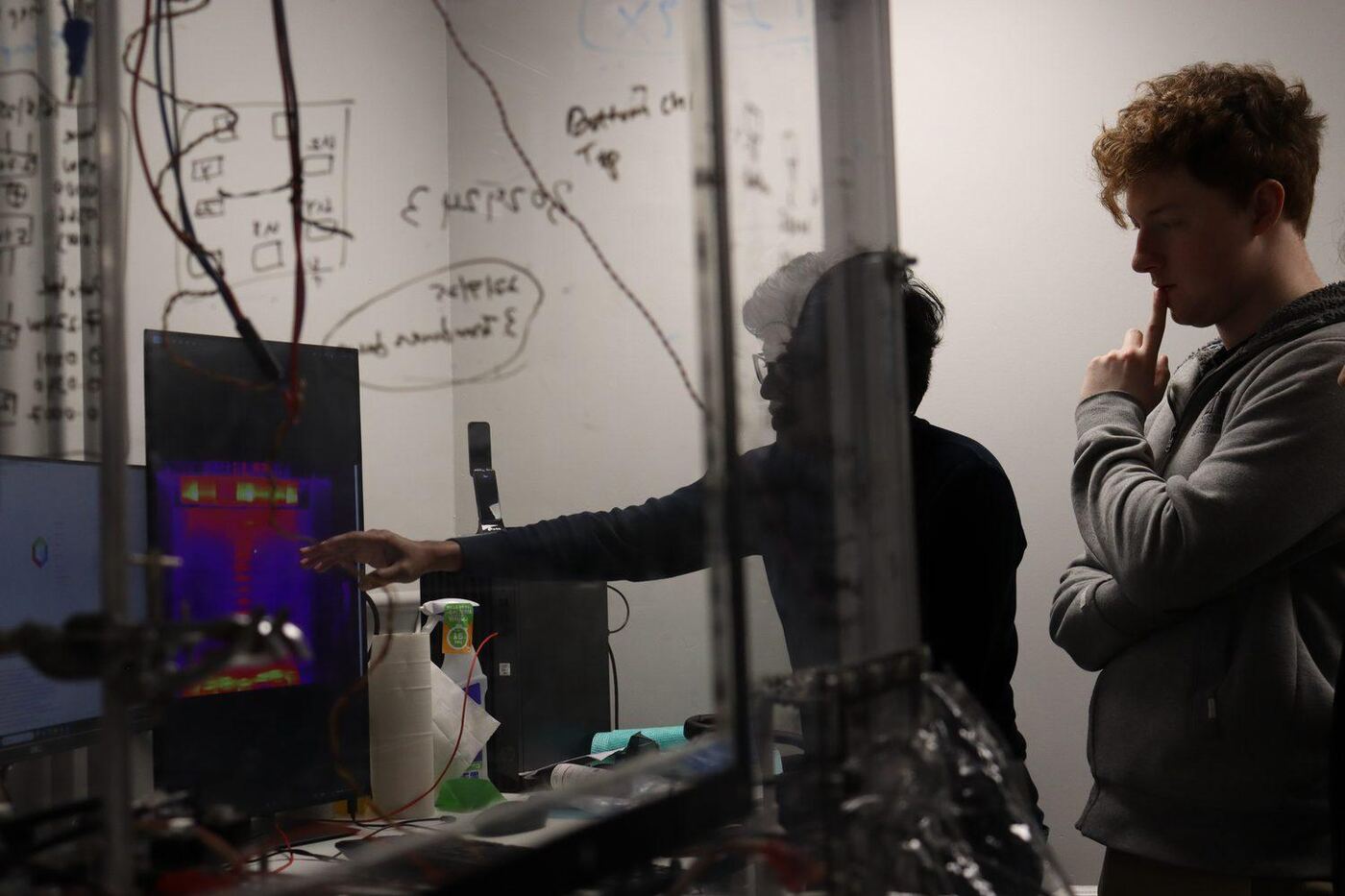
Most have never participated in a hackathon before, and most have enjoyed working intensively in an interdisciplinary team over the 48h.
AntonChallenge Provider, Quas Drinks
Given the 48h window, the outcomes were downright impressive.
LysimachosJudge; Entrepreneur-in-Residence & Venture Builder
Congratulations on making history, I'm so grateful to have been a part of it!
ElijahParticipant; MSc Bioinformatics, University of Edinburgh
The creativity and talent on show was truly impressive.
WashingtonChallenge Provider, Pacifico Biolabs
Huge credit to all the participants for stepping outside their comfort zones and building something new so quickly.
MishalMentor & Judge, Koda Konsult
A great mix of collaboration, learning, and innovation.
OliwiaParticipant; PhD, MRC PPU & CRUK SI
Each track brings together people from life sciences, computing and related fields. Teams compete in a final pitch session, and a judging panel picks the winners.
Modelling gene regulation, analysing imaging data, drug discovery and design, or machine learning on biological datasets. Sample datasets, academic mentors, and a route to follow-up collaborations.
Practical, outcome-focused challenges from biotech, health and data companies, aimed at prototypes, pipelines or analytical insights. Direct exposure to industrial R&D and potential recruitment.
Experimental frameworks, conceptual solutions and project management for interdisciplinary challenges, through team exercises, scientific storytelling and design thinking.
Apply as an individual or a team. Outcomes by 20 Feb; confirm attendance by 27 Feb.
Technical, entrepreneurial and communication workshops co-delivered with partners.
Opening ceremony, challenge introductions, team sprints and final pitches with prizes.
Follow-up workshops to refine ideas, explore entrepreneurial pathways and grow projects into long-term outcomes.
Lysimachos Zografos, Edinburgh Innovations
Dr Alasdair Ivens, Director of Bioinformatics, CIIE
Mike Wallis, Digital Research Services
Swipe the schedule sideways to see Saturday and Sunday. Mentors check in with teams throughout Saturday. Coffee, tea and snacks all day.
The rules and essentials from the 2026 participant info pack.
Form your own team, or join one on Discord and at the Friday networking session. Final teams are set by the end of Day 1. Suggested mix:
In person on Sunday: live demo, short pitch, judges' Q&A. Criteria vary by track and typically include:
 AIBIO-UKSponsor
 AilurusSponsor
 AmytisDigital workspace
 Aphelion IndustriesChallenge
 CHAI HubSponsor
 Digital Research ServicesGPU compute · Workshop
 Edinburgh InnovationsIP workshop · Mentoring
 Hackathons UKPartner · Challenge
 OpenBioSimSponsor · Challenge
 Oxbridge Frontier IntelligenceChallenge
 Pacifico BiolabsChallenge
 Quas DrinksChallenge
 School of Physics & AstronomySponsor
 Student Experience GrantsSponsor
 SULSASponsor
No. Some challenges involve coding, but dedicated non-coding tracks focus on experimental design, problem-solving and communication, so everyone can contribute.
Apply as an individual or as a team of 4–6. Individuals form teams on Discord and at in-person networking and team formation sessions before hacking starts.
Yes. Winning teams receive prizes, and everyone gets a certificate of participation. Follow-on opportunities include incubators, funding and collaborations.
Pre-event workshops (technical skills, entrepreneurship, IP, Python, Git) and mentorship from academic and industry experts linked to each challenge. Travel support covers partial to full reimbursement, up to £60 per person, based on competition and need.
Workshops are optional; pick by skill level. The hackathon runs from Friday afternoon to Sunday afternoon, with final judging and awards on Sunday.
Yes. Selected projects may receive continued mentorship or sponsorship support, depending on partner interest and participant initiative.
An independent, volunteer team of early-career researchers at the University of Edinburgh, led by Ian Yang (Swain Lab, School of Biological Sciences) and Apple Chew, with the Centre for Engineering Biology and partners across the University.
Edinburgh BioHackathon is run by an independent team of early-career researchers, mostly PhD students and postdocs at the University of Edinburgh.
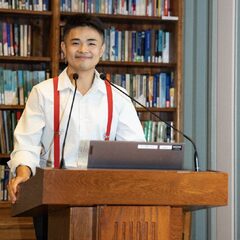
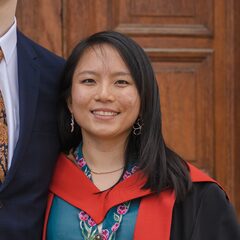










The 2026 edition would not have happened without the people who gave their weekend beyond the organising team.
Thanks also to our sponsors and partners, the Centre for Engineering Biology, and Hack The Burgh for letting us adapt their website design for 2026.